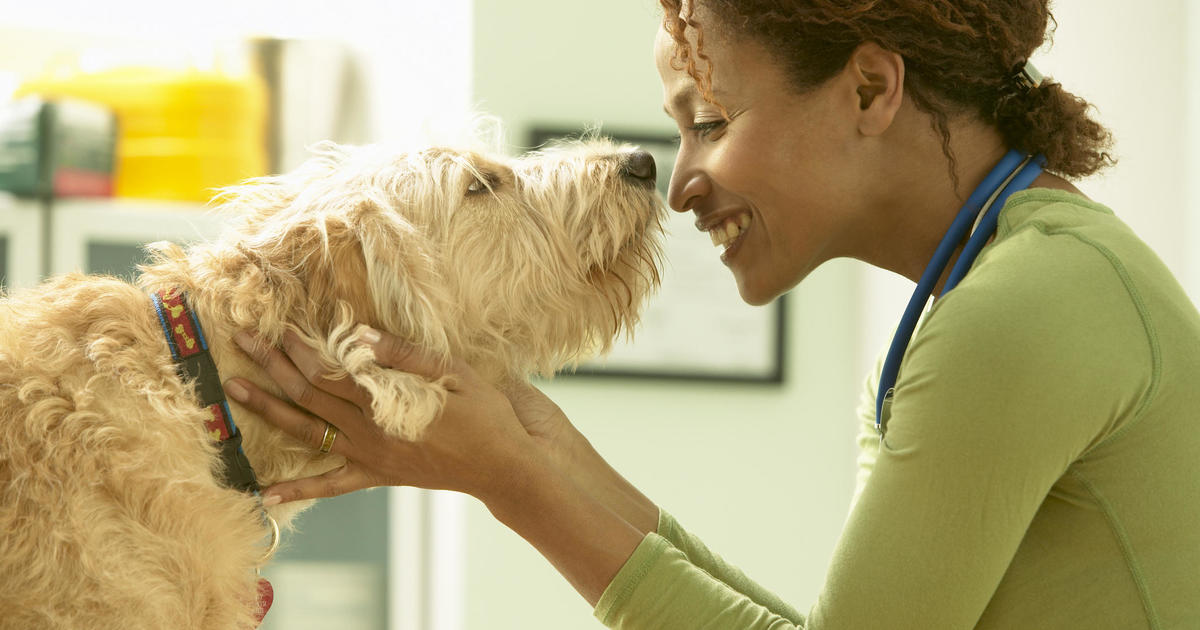
There are many different types of veterinarians, ranging from those that work in public institutions to those that work in private practices. All veterinarians provide an animal- and human-friendly service. They need to have a degree or license from a state licensed college or university. They must be able to understand the basics of veterinary medicine.
Salary ranges for veterinarians depend on their specialty and location. In the United States, for example, an equine veterinarian can expect to make more that $150,000 per year. Animal control facility veterinarians can make a lot of money.
You should also consider the cost of living when calculating the average vet salary. It might be worth considering moving to a lower-cost state. If you are new to the area, you should also check the job market to see what wages are expected.
While entry-level veterinarian salaries can vary depending on where you live, commercial practitioners are generally the highest paid. They are employed in various industries such as veterinary medicine, animal breed, and many others. Animal health is the most lucrative field for veterinarians.
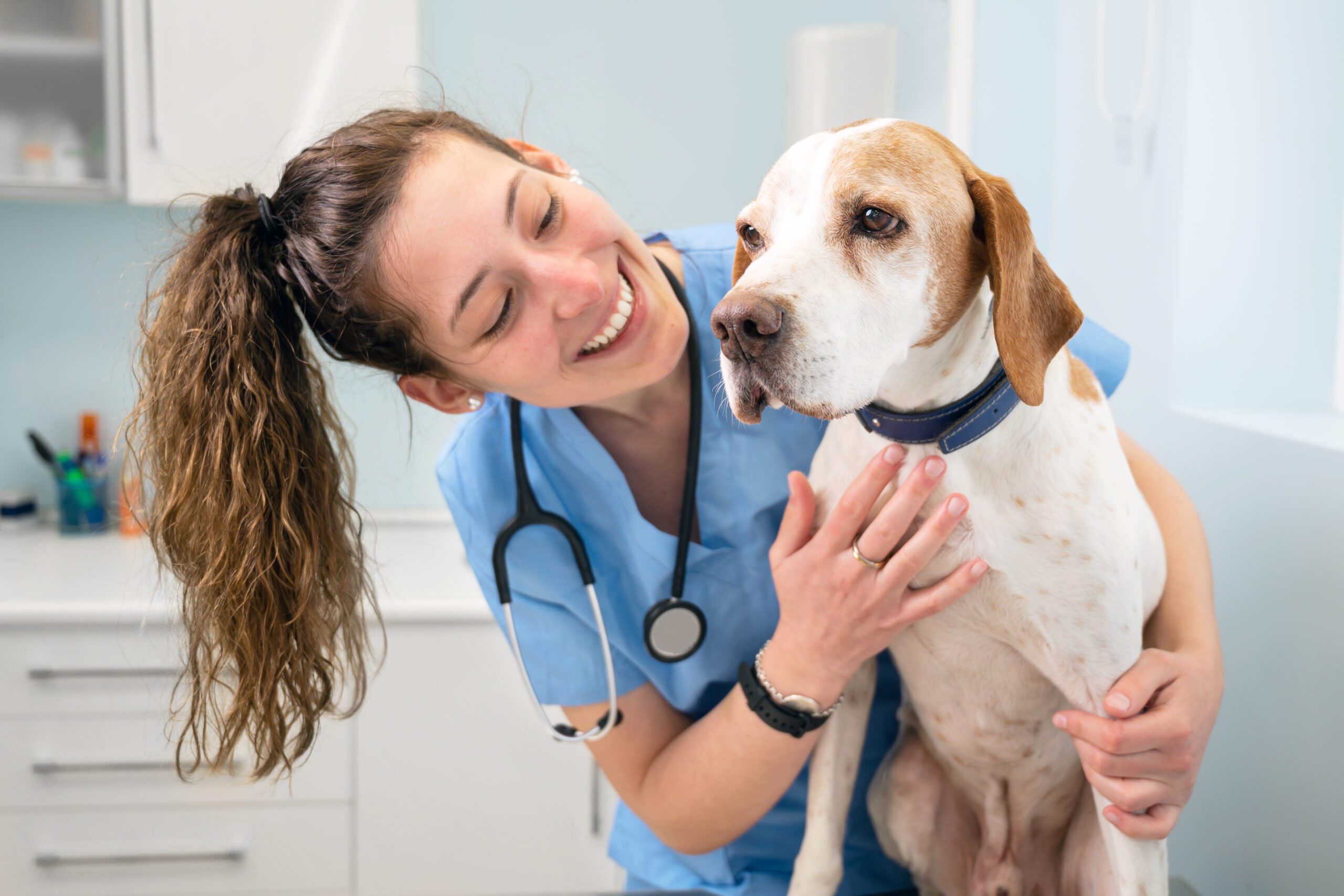
The starting salary for a veterinarian may vary depending on the location. These are the mean starting salaries, according to the American Veterinary Medical Association.
The amount a vet can earn depends on their experience. For example, a late career vet with over 10 years of experience can earn as much as $143,000 per year. Additionally, vets with managerial experience may be able to command higher salaries. Other jobs might offer better benefits or pay.
Despite their high salaries and experience, veterinarians still need school to obtain their license. Veterinarians need to have a Bachelor's degree in a science related field. Eight years is the average length of veterinary training. It all depends on your employer and specialty. You might need to work evenings or weekends.
Remember that veterinarian salary depends on your specialization. Opportunities for veterinarians who are specialists in aquatic and zoo animals might be limited. However, vets who are specialists in cats and dogs can expect to make a lot of money.
The highest paid vets earn more that $162,450 annually. The base salary for veterinarians is between $70,000 to $85,000. There are many ways to increase your income, including internships or managing your own practice.
An internship is an excellent way to gain valuable knowledge, experience, and prepare you for a career veterinary medicine. Internships don't have to be required. However, they can provide valuable mentorship.
Beginning a career in veterinary practice can be exciting and rewarding. The demand for veterinarians is high, and the industry can see a 19% growth between 2010 and 2021. It is possible to decide to become a vet and follow your passion.
FAQ
How much should I spend to get a pet?
One good rule of thumb: Budget around $200-$300 per Month.
However, it varies based on where you live. For example, in New York City, you'd probably spend about $350 per month.
But, in rural areas, you may only need to spend about $100 per month.
You need to make sure that your pet has quality toys and collars.
Consider purchasing a crate for your pet. It will protect your pet during transport.
Should I spay/neuter/neuter my dog or not?
Yes! It is vital to spay/neuter your dog.
It reduces the number of unwanted dogs in the world and also lowers the chance of developing certain diseases.
Female dogs are more likely to get breast cancer than male dogs.
Testicular cancer is more common in males than it is in females.
The spaying or neutering of your pet can also help to prevent her from having babies.
What is pet coverage?
Pet Insurance offers financial protection to pets in case they are injured or become sick. It also covers routine veterinary services such as microchipping, spaying/neutering, vaccinations, and other preventive care.
It also pays for emergency care if your pet is injured or has an accident.
There are 2 types of pet insurance.
-
Catastrophic insurance - This policy covers your cat's medical expenses in the event of severe injury.
-
Non-catastrophic-This type covers routine veterinarian costs, such as vaccines, microchips, spays/neuters, and other veterinary services.
Some companies offer both non-catastrophic and catastrophic coverage. Others provide only one.
To cover these costs you will need to pay a monthly Premium. The amount will vary depending on how much money you spend on pet care.
The price of your insurance depends on which company is chosen. Make sure to shop around before you buy.
You may be eligible for discounts if more than one policy is purchased by the company.
If you already have a pet insurance plan with another company, you can transfer your existing plan to a new company.
If you decide to not purchase any pet insurance you will be responsible for all costs.
You can still save money. Ask your veterinarian about discounts.
You might be disregarded if your pet is seen often.
Another option is to adopt a pet from a local shelter instead of buying one.
Do not forget to read the fine print.
This will give you an accurate estimate of the value of your coverage. If you aren't sure about something, call the insurer immediately.
Which size are cats and dogs easier to train?
The answer is both. It depends on how you approach training them.
If you give them treats for doing what they're supposed to do, they'll learn faster. If you ignore them when you don't like what they do, they will start to ignore you.
There is no right or bad answer. You have to decide what the best way is to teach your cat/dog.
Statistics
- * Monthly costs are for a 1-year-old female mixed-breed dog and a male domestic shorthair cat less than a year old, respectively, in excellent health residing in Texas, with a $500 annual deductible, $5,000 annual benefit limit, and 90% reimbursement rate. (usnews.com)
- Reimbursement rates vary by insurer, but common rates range from 60% to 100% of your veterinary bill. (usnews.com)
- In fact, according to ASPCA, first-year expenses can sum up to nearly $2,000. (petplay.com)
- Pet insurance helps pay for your pet's medical care, with many policies covering up to 90 percent of your vet bills. (money.com)
- It's among a relatively few companies that provide policies with a full (100%) coverage option, meaning you are not responsible for any co-payment of bills. (money.com)
External Links
How To
The best way to teach a dog where he should go to urinate
Teaching your pet how to use the toilet correctly is essential. You should also know how to train your pet if they go outside alone. Here are some tips to help you teach your dog how to use the bathroom properly.
-
It is important to start training early. You don't want any injuries during playtime. Start training today!
-
Food rewards are a good idea. If you reward your pet after every successful trip, it will bring you better luck.
-
Keep treats away from the area where your pooch pees. This could make your pet associate urine smells with his favorite treats.
-
Before letting your dog go, make sure that there aren't any other animals around. Dogs who see others relieving themselves may think it's normal behavior.
-
Be patient. It might take your puppy a little longer to learn than an adult.
-
Your dog should be able to smell everything before she can go in the bathroom. It will make her learn quicker if she has the opportunity to smell the toilet before entering the bathroom.
-
You should not let your dog use the toilet next to you while you're doing other things. This could cause confusion.
-
Once you're finished, wipe down the toilet bowl and the floor. These areas will serve to remind you of what to do the next time.
-
You must immediately clean up any mess. Make sure your dog is completely clean after an accident. If he doesn't, he may try again to relieve himself.